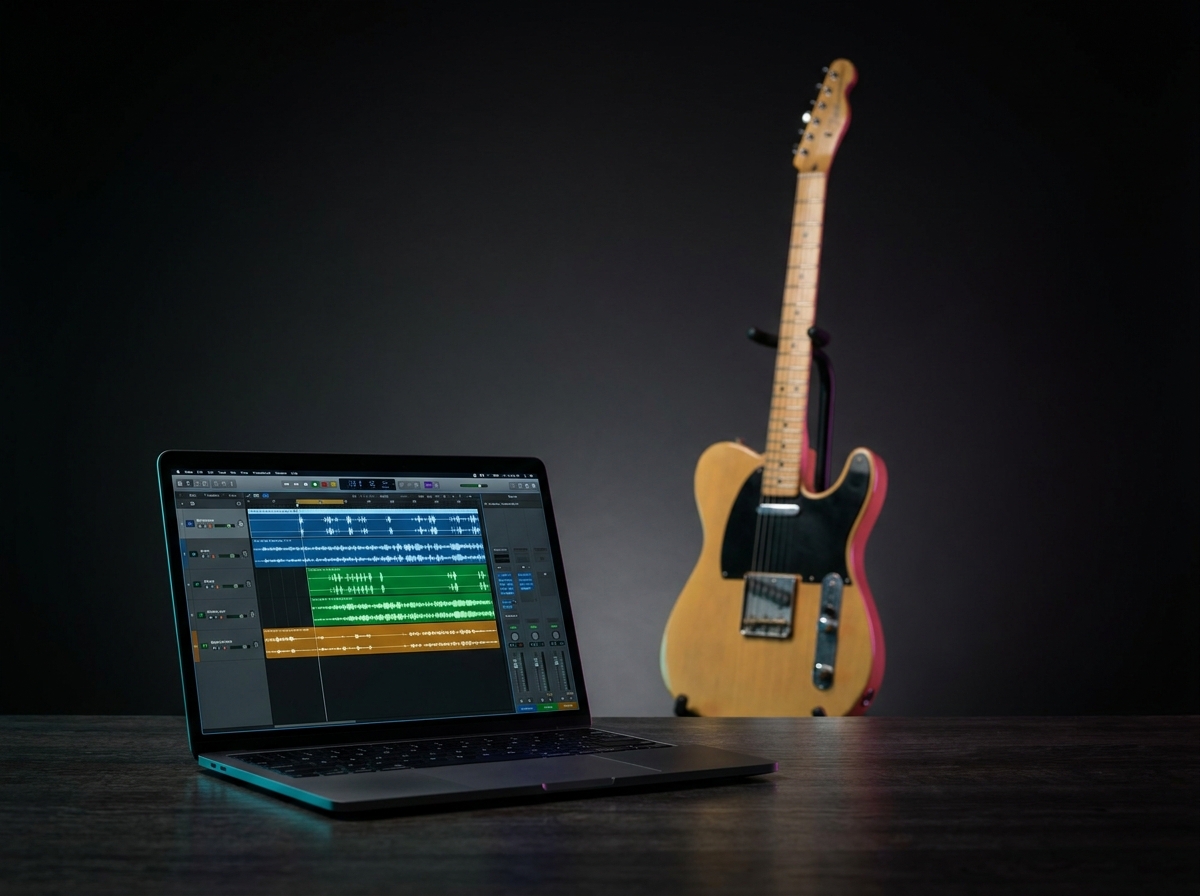
Script, voice, visuals and editing — all made with Artificial Intelligence.
I'm a certified Audiovisual Post-Production technician (UNLa) with 25 years in this craft. I started at Endemol — now Kuarzo, Argentina's public broadcaster — and for the past 11 years I've been a video editor at Infobae, the world's leading Spanish-language news outlet: live news, against the clock, zero margin for error.
That's where I learned to hold complex post-production workflows together without losing the emotional thread of the story, always working against the clock and as part of a team.
That same craft is the foundation for my move into producing with artificial intelligence: script, voice, music, visuals and editing, end to end. That full command of the creative process lets me bring a complete perspective to any team I work with.
And there's something that explains all of this: I'm a musician, specialized in audio mixing. The same ear I use to pick the exact music for each video is the one that catches the right nuance in the edit — probably why editing and sound come so naturally to me. (My vinyl collection is the same obsession, in a different format.)
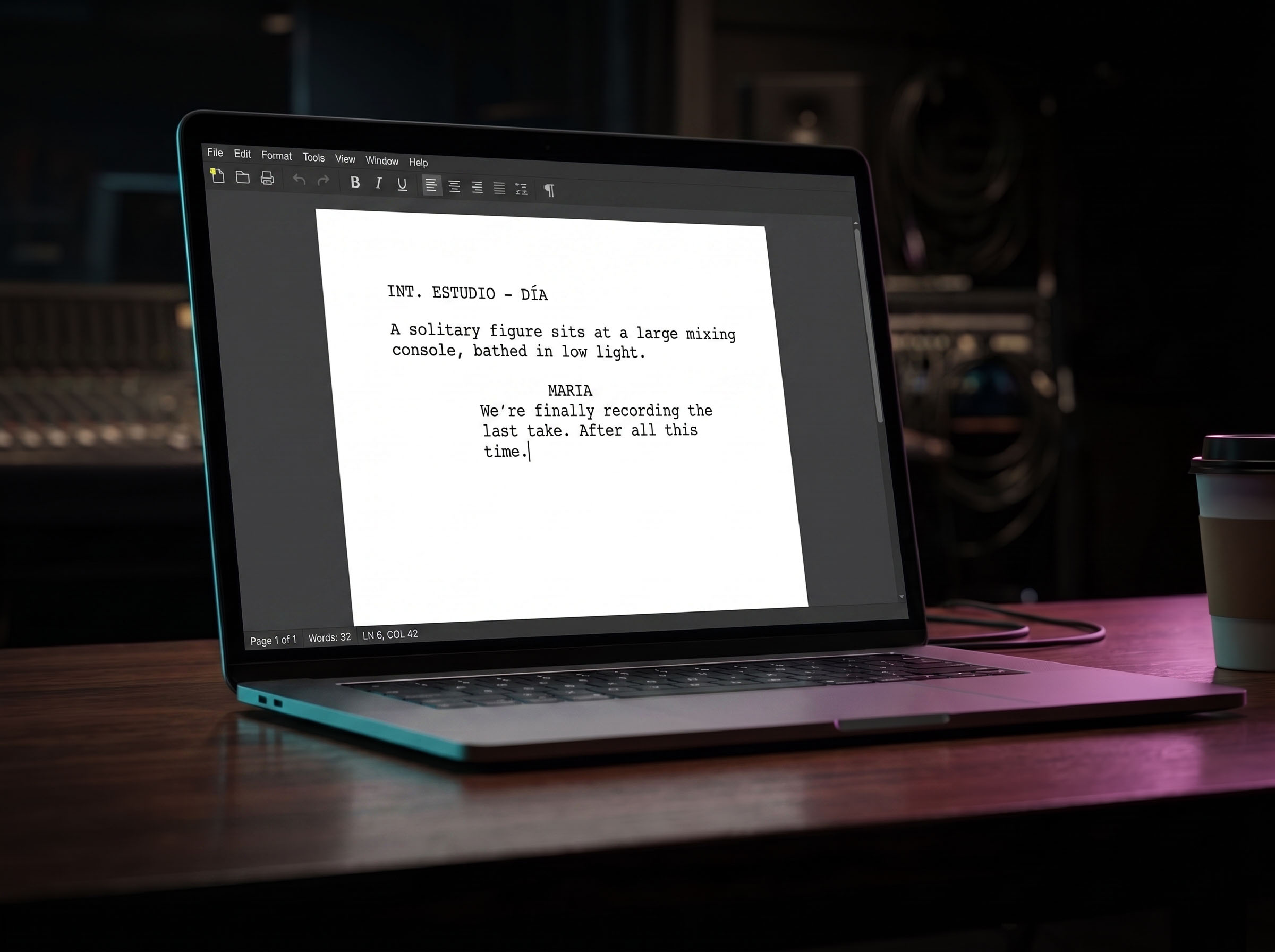
Stories with a real hook, built to hold attention from start to finish.

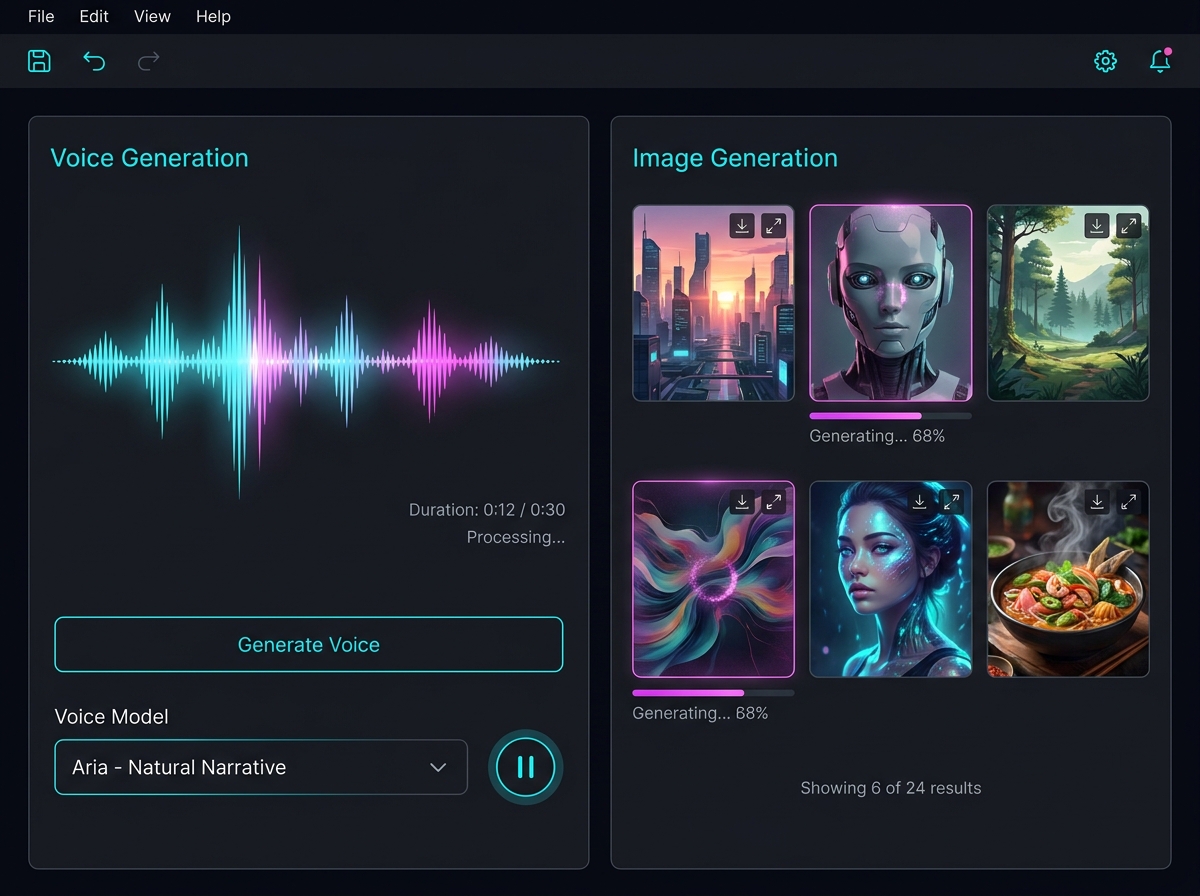
Voiceover, avatars and visual pieces generated with the most advanced tools on the market.

Original score and professional mixing — not a generic stock add-on.

Finished to the same standard as a live news product: pacing, color and precision.
Besides working for brands, I use the same AI production workflow to tell little-known true stories — because telling great stories is one of my passions.
The true story of Vincent van Gogh, his brother Theo, and the woman who refused to let the world forget him.
The true story behind "Clics Modernos": the album Charly García recorded in New York in 1983, and the corner the city named after him 40 years later.
East St. Louis, 1953. Miles Davis locked himself in a room near his father's house and came out clean from heroin addiction — no clinic, no medical help, alone.
This is how the original World Cup trophy vanished — the Jules Rimet, melted down forever by an Argentine jeweler.
The orange soda we all know was born in 1941, in Nazi Germany, when Coca-Cola's secret syrup supply was cut off.
New York, 1959. Days after recording the best-selling jazz album of all time, police handcuffed Miles Davis outside his own show, at the Birdland.
In 1959, Miles Davis records "Kind of Blue" with almost no rehearsal, improvising over scales instead of fixed chords — the best-selling jazz album of all time is born.
Reach out and let's set up a no-obligation first chat.